Tag Archives: compassion

Hostile spaces

I had a stressful Wednesday. I was called to give evidence in person at an inquest, which was a surprise as my involvement in the patient’s care was peripheral. The court was tiny. We started very late, and had to wait for an hour in an unheated corridor between the door and the toilet.

All I could think about was every more useful thing I could be doing with this time. In my mind, my to do list is a pile of crisp bits of paper, each one with a task typed on it on an old fashioned typewriter, like the in-tray from a movie from the 1950s. This gets higher and higher, and then becomes an unruly mess, threatening to topple over and crush me. I had moved things around to be available all day, but could not move a webinar I was co-presenting in a 1 hour window at lunchtime. I asked to be released for this. After some discussion I was allowed to give my evidence first.

The Coroner’s court is supposed to be a fact-finding mission, rather than an adversarial or litiginous process, but this depends on whether there are lawyers present, and if so, what approach they choose. The questions were fair but challenging. It was a good experience, to have given evidence when I only played a minor part in the case. All healthcare professionals can expect to be involved in legal processes these days. We all find them very stressful.

Continue reading
Impatience

I was recently asked what my primary emotion is, and I answered, without hesitation: impatience. This is both a blessing and a curse. It drives me to work hard try to change the problems I see everywhere, every day, and makes me very productive. But it also makes me a bit of a nightmare to work and live with. I struggle to slow down and to accept the slow pace of change that is a common reality. I tell others to remember their sphere of influence and not to expend energy on things way outside it, as this way burnout lies. I often fail to take this advice myself. This week I have felt very impatient.

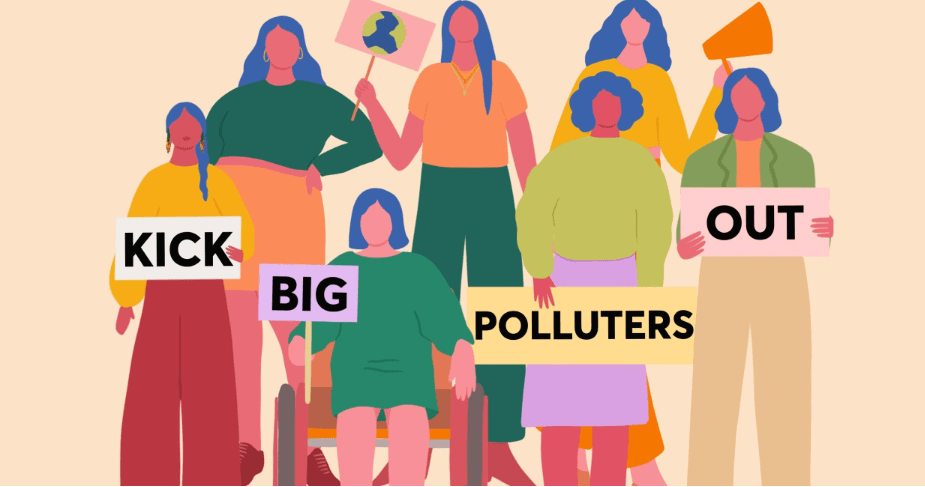
COP 29 is happening. At least 1,773 fossil fuel lobbyists have been granted access to the summit in Baku. In an open letter, a group of international experts have stated that the UN Climate talks are no longer fit for purpose, and called for reform. Global emissions continue to increase, carbon sinks are being degraded and we are headed for more than 2.9°C of warming by 2100. I respect those who continue to participate in COP but I would not have the patience or diplomacy required.

Continue reading

Haunted

Since October 4th, at least one child has been killed and 10 injured daily by Israel in Lebanon. Fifty children were killed in Northern Gaza yesterday. Gaza’s children are not merely ‘collateral’ which would be horrific enough, but are targets of genocide, of erasure, of extermination. The Palestinian people have been so completely dehumanised that the world continues to stand by, spectators to the horror show. I sent more money to Osama and his family in Khan Younis, but they need much more than I can give. Osama is one of 8 siblings. His youngest sister Haya is just 11 years old. She has been robbed of her childhood. His father Sobhi has diabetes, and a deep foot ulcer, as well as heart disease. They cannot afford the escalating price of medications and there is no functioning health service.

It is too awful.

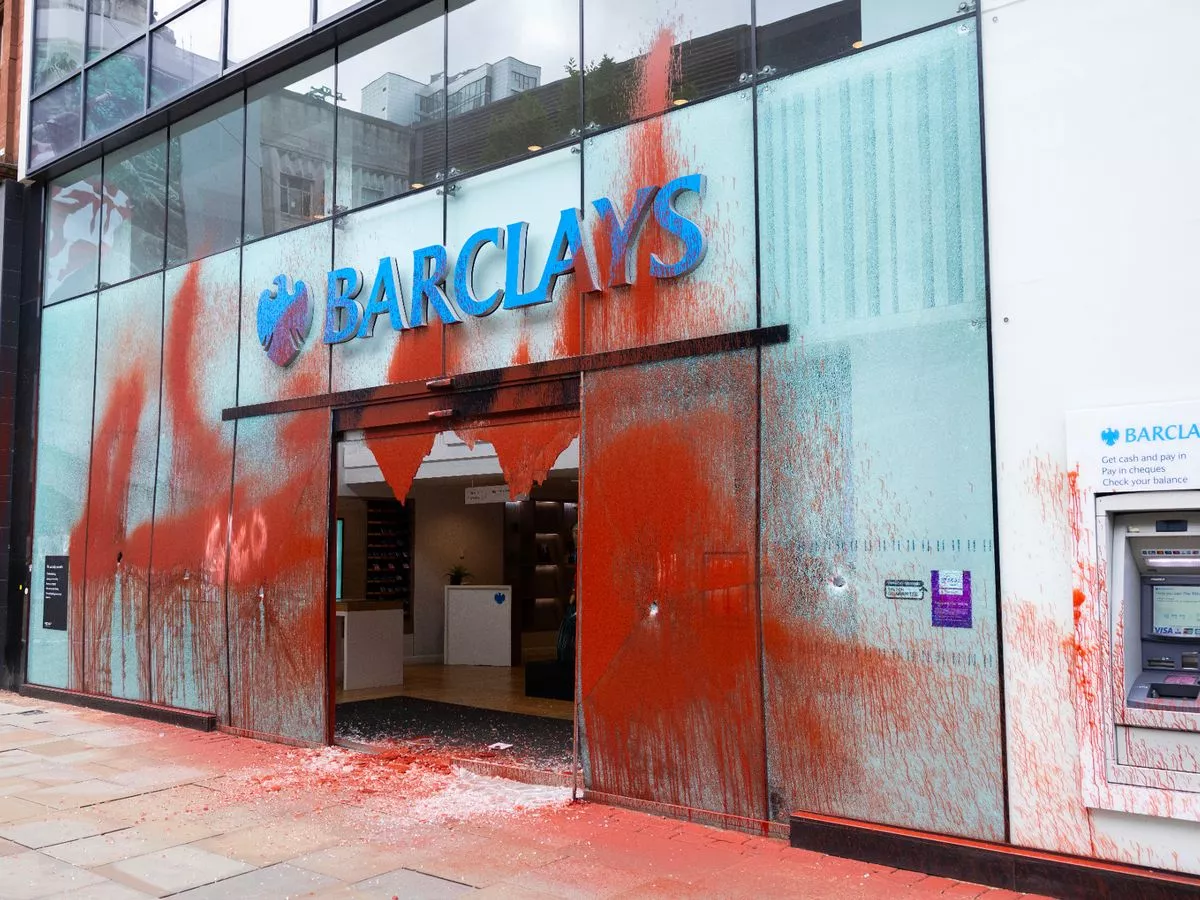
There was some hope this week as Barclays divested from Elbit systems after a direct action campaign. Until recently, Barclays owned over 16,000 shares in Elbit Systems, Israel’s largest weapons company, worth over $3,400,000. For over a year, Palestine Action activists have targeted Barclays premises, smashing branch windows and spraying them in blood-red paint. This has put Barclays sites out of operation for weeks, raising the costs associated with dealing with Elbit. Palestine Action’s broader campaign against Elbit systems and its’ financial and industrial partners aims to make the cost of dealing in genocide, occupation, and apartheid exceed the potential to profit from it. 

The CEOs of these corporations have no conscience, but hit their bottom line and they act.

Continue reading

Patients not passports

I spent this week scrolling through my news feed, watching war crimes committed by Russia in Ukraine. A hospital was just bombed. I sent more money to humanitarian organisations including Doctors of the World. Whilst it is easy to feel powerless in the face of terrible world events, there are ways we can stand in solidarity. And whilst our minds are focused on people fleeing conflict, it is a good time to consider how refugees are treated if they reach the UK and need healthcare. I was therefore pleased to be part of a panel this week, to launch the Southwark Patients not Passports campaign.

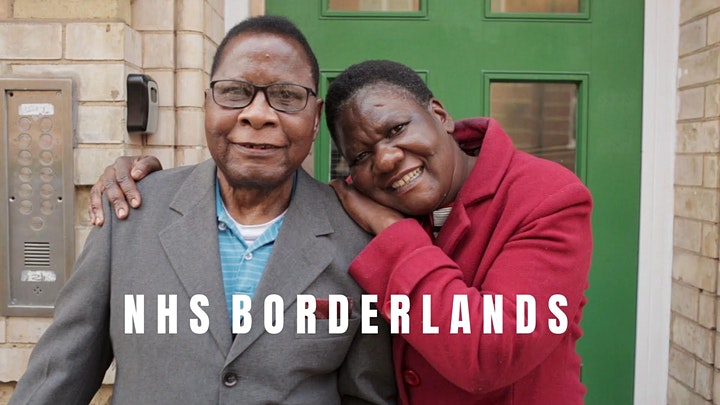
It included a screening of NHS Borderlands, an investigative documentary into the human cost of charging migrants for accessing the NHS, made by Bare Life Films. It features Angela who, after fleeing Zimbabwe in fear for her life, sought asylum in the UK where she has lived with her husband for 20 years. Following a vital hysterectomy operation Angela was – without warning – issued a bill for £8,000 by the NHS. Angela is not allowed to work and has no source of income and this bill jeopardizes her life in the UK forever. There are many stories like Angela’s, most untold and undocumented. This film shows how healthcare workers and campaigners are fighting alongside Angela to keep the border out of the NHS.

Continue reading

At the margins

There is a great tradition of healthcare professionals working as volunteers, both at home and abroad, and this is highlighted and celebrated by the BMA Doctors as Volunteers competition. I entered a poster this year, and was very pleased to be chosen as one of the two winners. Euston foodbank, where I volunteer, will be putting the £850 prize money to good use, ensuring our foodbank is welcoming, and purchasing essential equipment and stock. 

Continue reading

Living loss

I got to know Joseph * over a number of months. He was first admitted to hospital in April, when his bed overlooked the garden with trees in bud. As Spring turned to Summer he was readmitted, and when Autumn came he watched the leaves change colour and fall. Each time he was admitted he spent more time in hospital and less time at home, and we worried more about whether this admission might be his last.

800px-Tree-bud-lexington-ky-park

Continue reading

Those who go; those who stay

A large proportion of my life is spent within the walls of the hospitals of North East London. But when I’m not at work, I can often be found in one of London’s fantastic art galleries. Art is essential for my personal wellbeing, and a great way to dissociate myself from the trials and tribulations of being a doctor.

But every so often these two worlds collide.

Those who go

A few years ago I went to an exhibition at the Tate Modern on Futurism. It was a fantastic exhibition, highlighting a brief but incredibly influential period of modern art. I was profoundly struck by a specific piece: a tryptych by Umberto Boccioni entitled “Farewells; Those who go; Those who stay,” now on view at the Museum of Modern Art in New York. Not only is it beautiful, but the artist effectively captures the emotions inherent in farewells. It has stayed with me ever since. I was reminded of this piece recently after a particularly emotional on call shift.

Continue reading

The LCP is dead: long live the LCP

Last weekend I was on call in hospital and cared for George,* a patient who was entering the last stages of life. George was no longer conscious so the Consultant and I spoke to his family, discussing which interventions to continue and which we felt were no longer benefiting him. Later in the day I reviewed George and found that he had developed respiratory secretions and was in some distress. I stopped his intravenous fluids, prescribed medications to treat his symptoms and reached for the Liverpool Care Pathway. And then I stopped. In the context of the recent press coverage and the LCP review what should I do?

hold hands guardian image

Image from The Guardian

Continue reading

The human touch

I recently took a group of medical students to see Mrs Cole*. She was 88 and was in hospital due to a severe exacerbation of COPD. She was kind enough to let us talk to her and listen to her lungs, despite being quite breathless. As we talked I perched on the edge of the bed and, as I often do, held her hand.  She grasped it tightly and wouldn’t let go. I finished the teaching session, sent the students off to their lecture, and stayed with Mrs Cole longer than I had intended. It felt like she was clinging to me as we talked; clinging to my youth, my health, and my carefree existence.

I couldn’t offer her much: we were treating her exacerbation but no drugs could reverse her lung damage. No words could allay her very real fears for the future. But I felt what I could offer – a tiny piece of my time, and my hand to hold – meant something.

Continue reading

When the lights go out

Most people I know have never watched a person die. Even those that have been to funerals and therefore have seen and been in physical proximity to a body, have rarely been present at the moment of death. The moment when in the eyes of the dying person the lights go out.

I have been there, in the moment, a number of times and remember every time with eerie clarity. Sometimes I have known the patient well; other times I have only met them in their last minutes or seconds. Sometimes it has been almost ethereally peaceful. Other times it has been frantic, chaotic or distressing despite our best efforts to treat end of life symptoms. Most often it has just happened.

Continue reading