
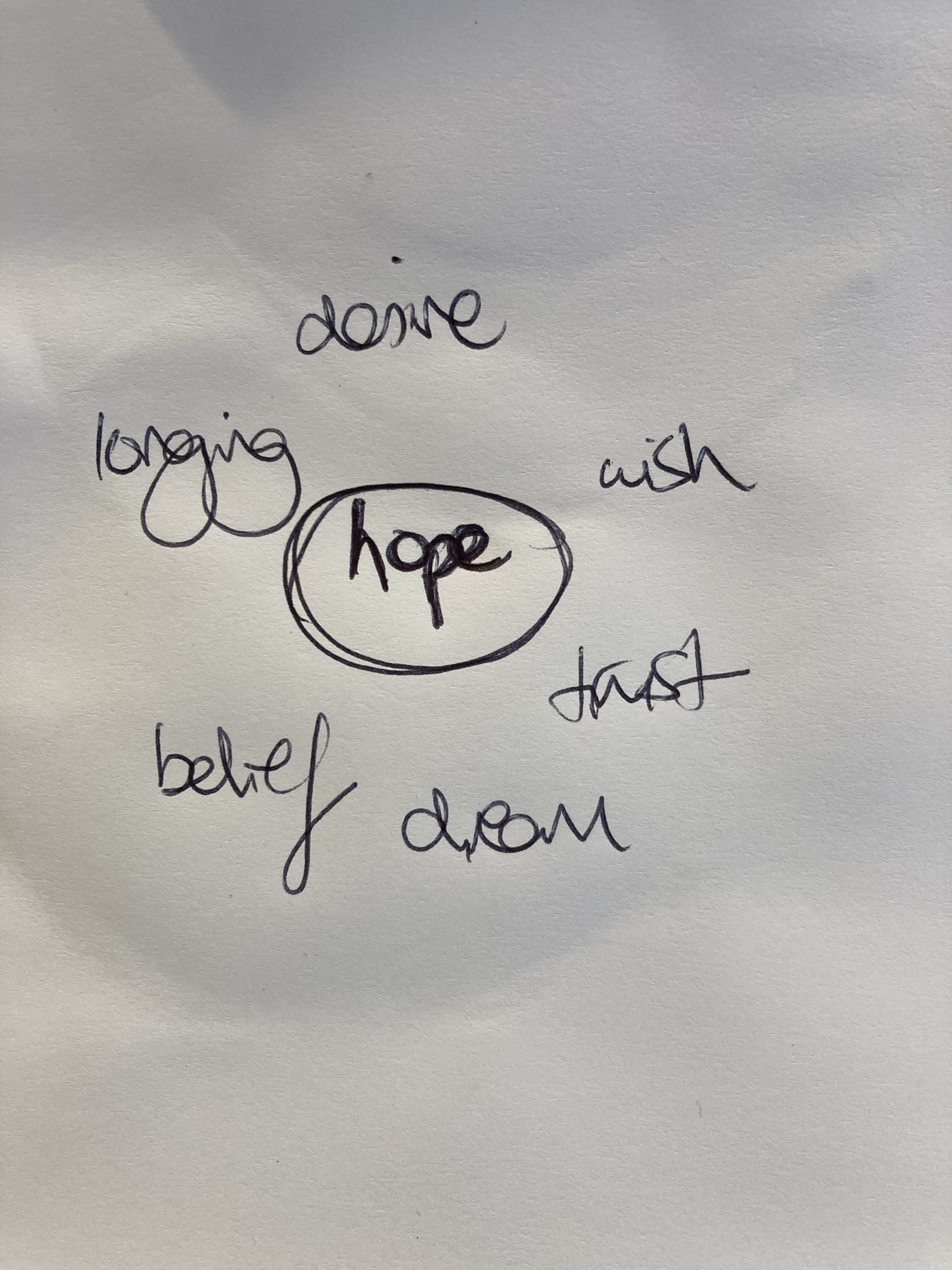
It’s been a year since I wrote anything. Writing is an act of faith. It requires belief that engaging and interacting has meaning; that it serves a purpose. It requires hope. Hope is something I’ve struggled to hold onto over the last year; crowded out by violence, division, hate, and a pervasive feeling that everything has gone wrong.
But here I am. Writing again.
The world is arguably an even bleaker place than it was a year ago. The genocidal actions of the IDF continue; the wealth gap grows ever larger; fossil fuel companies continue to make eye watering profits, further enhanced by war; biodiversity is falling as we live through the sixth mass extinction; the chance of staying below 1.5C of warming gets ever smaller; health and social care are failing people everywhere; the basics of life are more expensive and more children are living in poverty; fascism is on the rise; and every week brings a new reason to fear an apocalypse.
And yet people continue to live their lives, riding the highs and lows of immediate concerns of home, work, health, family and friends. At times I find this impossible. When I hit a deep valley in the rocky landscape of my mental health I feel vulnerable, defenceless against the hate poured into the world. I am porous, soaking up all the negativity, unable to separate from it. For the last year I’ve been stuck in this state, with the fact that my life is objectively lovely – safe, stable and full of love – adding a layer of guilt which intensifies the heaviness.
I have been reflecting on why I find it so difficult to maintain a separation between the external world and my internal world. Those around me seem far more resilient, less porous. I have always empathised with people in distress and have felt other’s pain and sense of injustice more than is ‘normal’. In my teens, my class was asked to write a letter to a politician as part of a personal and social education class. We were given a list of current Amnesty International campaigns and everyone dutifully wrote a letter. I was so shaken by the human rights violations described in the information pack, that I wrote a letter on every single issue and signed up to support Amnesty International. I cry at podcasts and adverts with alarming frequency. After watching the distress of dairy cows having their 1 day old calves removed, I went vegan. I can’t be in a room with a baby crying in distress; the sound is unbearable, it cuts through my heart. My mood is highly determined by those around me. I am destabilised if someone I love is distressed, even if I know the source of their distress is minor, or that it is temporary. I can’t bear to think I’ve disappointed someone.
A close friend suggested I may be a Highly Sensitive Person (HSP) and gifted me a book the mindful path to self-compassion. The HSP trait was described by psychologists Elaine and Arthur Aron in the 1990s, who developed the Highly Sensitive Person Scale (HSPS). I score highly on depth of processing, emotional responsiveness and empathy; less so on sensitivity to subtle stimuli and low on over-arousability. HSPs account for 20-30% of the population, are prone to perfectionism, react strongly to criticism, and have ‘differential susceptibility’ meaning they observe and reflect more about their environment, and are therefore more affected by it. According to research, HSPs are more prone to depression and anxiety, and there’s a correlation with seasonal affective disorder. There are some positives, such as intuition, effective communication, a desire to nurture, and deep aesthetic appreciation of art and nature. I see myself in these descriptions and have found it a useful framework to examine my own psychology, and to develop strategies to reduce burnout. Walking the line between emotional intelligence and emotional contagion will be a lifelong challenge.
Working in the NHS, witnessing pain and suffering daily, is a trial for anyone with high empathy. The concept of vicarious trauma is increasingly recognised, describing the experience of absorbing others’ pain so deeply that it affects your own well-being. Other terms such as empathy fatigue, secondary trauma, vicarious distress and caretaker burnout are also in use. We would all want to be cared for by someone empathic, but highly empathic individuals must resist being overwhelmed by distress such that we become incapable of delivering the care needed by our patients.
Mirror neurons may be part of the neural basis of our capacity for empathy. Mirror neurons facilitate learning by enabling us to imitate and understand the actions and behaviour of those we observe. When we watch others engaged in a task, areas of our brain are stimulated as though we are performing the task ourselves. These neurons also activate later when we recall what happened. Research suggests that this same principle applies not only to actions, but to emotions. We may understand the thoughts, emotions, and sensations of others by simulating them in ourselves as if we were experiencing similar mental states. When we are experiencing pain, the anterior cingulate cortex is active, but the same region is activated when we observe someone else receiving a painful experience.
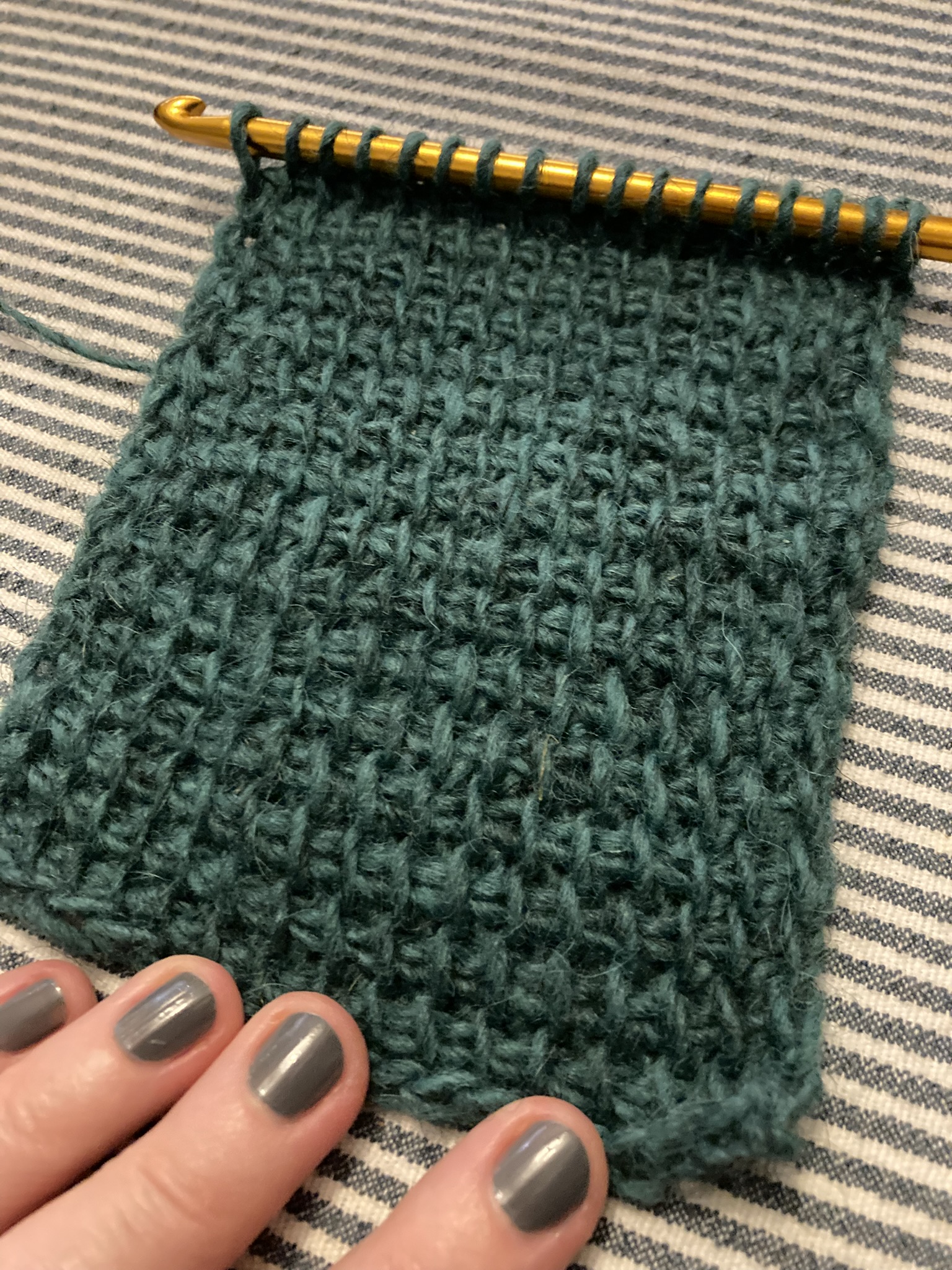
Our mental state is malleable. And as winter finally receded I felt able to start the work required to redirect my negative thought patterns towards acceptance and hope. I had allowed the CBT techniques I learnt during my worst period of depression to get a little rusty but they still work, particularly cognitive restructuring. I swapped doom scrolling for crafts, including a new technique, Tunisian or Afghan crochet. I practiced gratitude, even though it makes me cringe. I read about strategies for change, rather than dwelling on the problems we face. And I stopped isolating myself and spent more time with people.
The Green Party has become an important source of hope. I joined as a member in 2023 after reading the manifesto and being impressed by the economic policy as well as the environmental vision. In contrast to Labour, the Greens have recognised the problems we face and have both proposals for change, and a positive vision of the future. I have met Zack Polanski several times and always been impressed. He came to a conference organised by Plant-Based Health Professionals years ago, and over lunch was not only incredibly friendly and fun, but also asked insightful questions about nutrition, health and food policy. I have also met him at protests, and have been impressed that he turns up for events that are never going to get significant media coverage: it’s not about the picture opportunity, it’s about the issues. His podcast Bold Politics is a welcome contrast to so much politics programming: it’s rare to hear a political leader listen, acknowledge uncertainty and put forward a positive vision. And so, in recent months I’ve become more active in the party, attending socials and then joining groups of neighbours to deliver leaflets and knock on doors ahead of the local Council elections. Spending time with other people of diverse ages and backgrounds, giving their time, energy and intelligence to a project for positive change is the best antidepressant I’ve found. Although I was called a terrorist by a Reform voter this weekend, the vast majority of my conversations have been positive. People are understandably fed up and angry, but they are open to change and looking for hope. Our councillor candidates in Southwark are wonderful people, who will be a force for good if they are elected.
I have remembered that we create the world every day with our actions, and change is possible. I have reclaimed hope, for now at least. And so I write.


What a beautiful piece of writing. Thank you for being so open about your feelings. I am so glad you are putting your energy into such positive work. You have so much to give to humanity.