Tag Archives: health

The other side of hope

NHS IT is universally acknowledged to be a nightmare. The promise of technology is always that it will save time and make us more efficient. But the reality is that staff feel like slaves, feeding the ever-ravenous monster of the electronic health record with more and more data, more and more time. Time stolen from patients. Worse still, the monster never regurgitates the promised useful data.

It therefore felt like a huge win this week when I managed to get multistep voice commands working in Dragon and EPIC. This has dramatically reduced the time it takes me to do frequent routine tasks, and reduced my risk of RSI. A year after implementation I finally feel like EPIC might make my job easier, as was promised. The beast is not dead, but it has been tamed somewhat.

Continue reading

Haunted

Since October 4th, at least one child has been killed and 10 injured daily by Israel in Lebanon. Fifty children were killed in Northern Gaza yesterday. Gaza’s children are not merely ‘collateral’ which would be horrific enough, but are targets of genocide, of erasure, of extermination. The Palestinian people have been so completely dehumanised that the world continues to stand by, spectators to the horror show. I sent more money to Osama and his family in Khan Younis, but they need much more than I can give. Osama is one of 8 siblings. His youngest sister Haya is just 11 years old. She has been robbed of her childhood. His father Sobhi has diabetes, and a deep foot ulcer, as well as heart disease. They cannot afford the escalating price of medications and there is no functioning health service.

It is too awful.

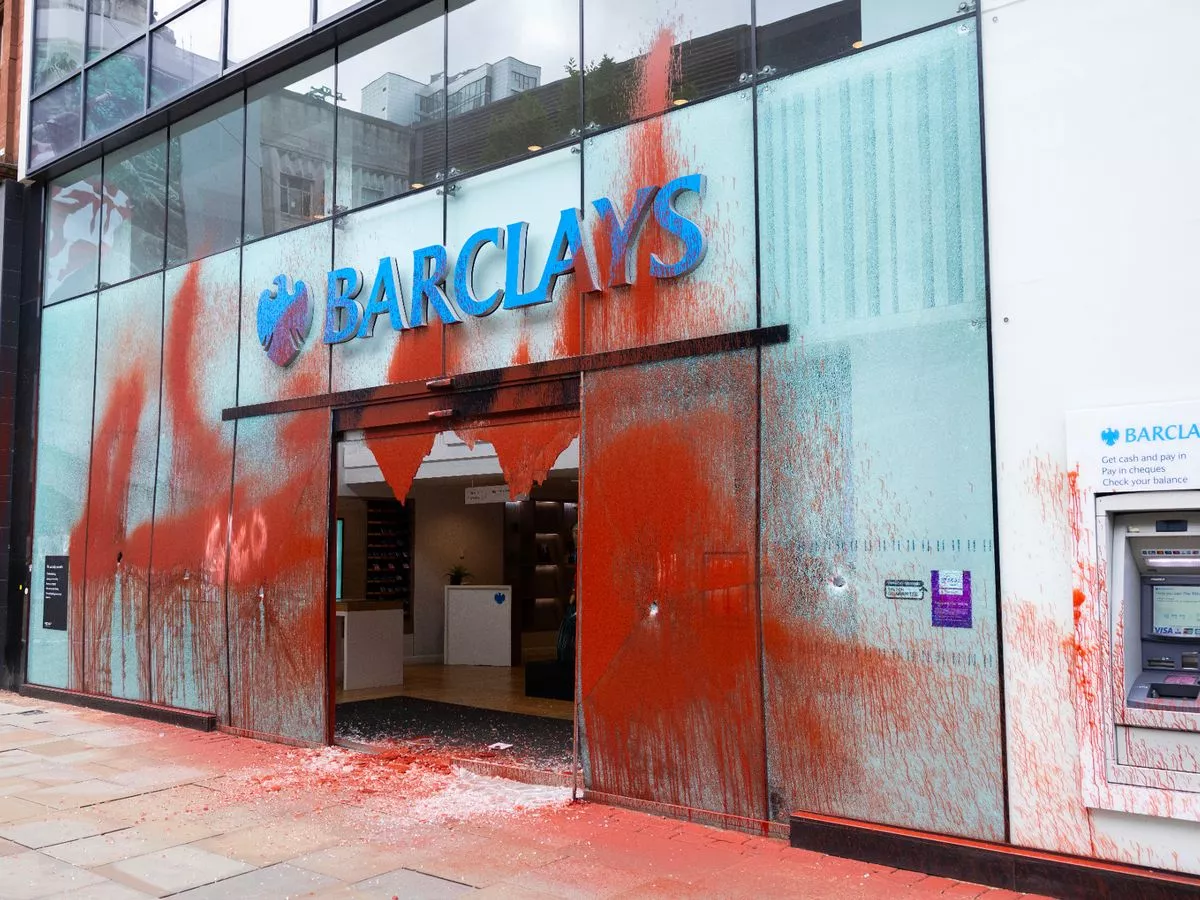
There was some hope this week as Barclays divested from Elbit systems after a direct action campaign. Until recently, Barclays owned over 16,000 shares in Elbit Systems, Israel’s largest weapons company, worth over $3,400,000. For over a year, Palestine Action activists have targeted Barclays premises, smashing branch windows and spraying them in blood-red paint. This has put Barclays sites out of operation for weeks, raising the costs associated with dealing with Elbit. Palestine Action’s broader campaign against Elbit systems and its’ financial and industrial partners aims to make the cost of dealing in genocide, occupation, and apartheid exceed the potential to profit from it. 

The CEOs of these corporations have no conscience, but hit their bottom line and they act.

Continue reading

This meeting could have been an email

I spend more of my life in meetings than I would like and often think “this meeting could have been an email.” But this week I have been in several short and very effective meetings. It is amazing what can happen when there is a clear shared purpose and the right people are in the (virtual) room. There has been research into the psychology of work meetings, and the impacts for organisational outcomes and culture. I wish everyone would be more critical of meetings and ensure they always had a clear purpose that could not be achieved by another communication method. I for one commit to pausing before sending any future diary invites!

Continue reading

Every day I pray for love

I was off work this week, but somehow found myself even more busy than usual. Being off work I had more time to watch the live streamed horrors in Gaza and Lebanon. I signed more petitions. I stepped up my boycott of companies profiting from Israel’s crimes. I sent money directly to a family in Khan Younis. Osama is 22, the oldest of 8 siblings, trying to keep his displaced family safe. His father needs medication, but with Israel’s military targeting hospitals and killing healthcare workers, leaving no functioning health service, very little is available. Almost no aid is entering Gaza. I can’t watch. I can’t not watch. I feel hollow.

Continue reading

Week 0

I started this blog in 2011 because my job makes me think a lot – about people, life, death, injustice and how things could be better.” I often feel that I have too many thoughts, too many things to share, but not enough time to write a fully formed article or blog post. My partner writes week notes, a summary of things he’s working on, things that have happened in the week and things he has read or seen. Inspired by him, I’m going to give them a go.

It is week 41 of 2024, not a typical time for new starts. I am fighting my need for order and convention, attempting to accept that it is fine to start at any time other than week 1 of January. After all, these numbers are arbritrary and there are other calendars in which October doesn’t even exist, or New Year moves according to lunar cycles. In the Aztec calendar it is Day Ocelotl (Jaguar) which seems a great day to start something new.

Continue reading

An unpalatable truth

The NHS can be a challenging place to work, particularly because it is so hard to change. When I see a problem I want to fix it, and that is just not the pace at which the NHS works! A problem I am confronted with several times a day is NHS food. The food we serve to NHS patients and staff is nothing less than a disgrace. It does not align with the best evidence on how to use nutrition to support health and recovery; many meals eaten by thousands of patients in NHS beds today will have contributed to the very problems making them sick. This is before we even consider the contribution that the food system makes to the climate crisis, or the lack of compassion shown towards sentient animals with whom we share this planet.

Nutritious plant-based meals served in New York Hospitals

Over the last few years I have dedicated an increasing amount of time to bringing attention to the urgent task of changing our food system. In this work I stand alongside my colleague Dr Shireen Kassam who is both an ally and an inspiration. It’s rare to find a kindred spirit who is excited and enraged by the same things as I am: Shireen is that rarity. As we get closer to the launch of our campaign Plants First Healthcare, we wrote for BMJ Leader, making the case that it is high time healthcare organisations led by example in the food we serve to staff and patients.

Why are hospitals, places people rely on to restore their health, serving food that makes them sick?

Continue reading

Energy poverty can be lethal

In advance of the recent MPs vote to withdraw the Winter Fuel Allowance from many pensioners, I wrote for The Metro, on the health impacts of energy poverty. Below is the published article, also available on The Metro online.

For those of us working in the NHS, worries about winter start earlier every year. 

I’m a consultant who specialises in respiratory illnesses, and as the weather starts to get worse, I’m reminded of Jane, a patient in her 70s, living with chronic obstructive pulmonary disease (COPD) and numerous other health problems who was admitted twice in a matter of weeks last winter. 

She was so scared by her energy bills that she had rationed her heating to an hour a day in one room of her poorly insulated, draughty home. It wasn’t enough. The cold left her vulnerable to infection and fighting for every breath. She didn’t know how to ask for help or where to turn to, so she ended up where so many do: in an NHS bed on my ward. 

Continue reading

Patients not passports

I spent this week scrolling through my news feed, watching war crimes committed by Russia in Ukraine. A hospital was just bombed. I sent more money to humanitarian organisations including Doctors of the World. Whilst it is easy to feel powerless in the face of terrible world events, there are ways we can stand in solidarity. And whilst our minds are focused on people fleeing conflict, it is a good time to consider how refugees are treated if they reach the UK and need healthcare. I was therefore pleased to be part of a panel this week, to launch the Southwark Patients not Passports campaign.

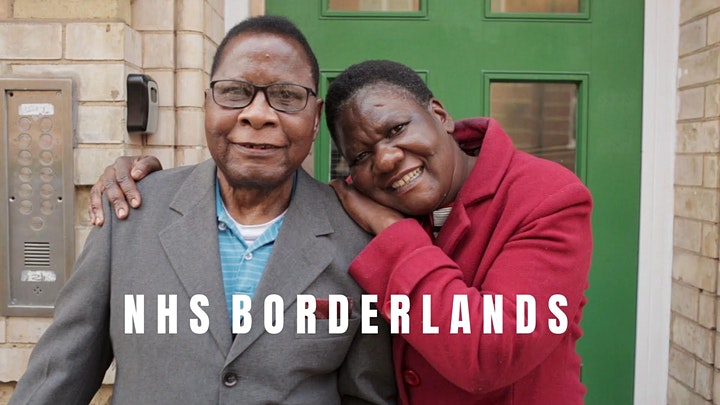
It included a screening of NHS Borderlands, an investigative documentary into the human cost of charging migrants for accessing the NHS, made by Bare Life Films. It features Angela who, after fleeing Zimbabwe in fear for her life, sought asylum in the UK where she has lived with her husband for 20 years. Following a vital hysterectomy operation Angela was – without warning – issued a bill for £8,000 by the NHS. Angela is not allowed to work and has no source of income and this bill jeopardizes her life in the UK forever. There are many stories like Angela’s, most untold and undocumented. This film shows how healthcare workers and campaigners are fighting alongside Angela to keep the border out of the NHS.

Continue reading

Tunnels, traffic and toxic air

Over the last few years I have become increasingly concerned about preventable death and disease from air pollution. As a Respiratory doctor, I worry for my patients living with asthma and COPD, but air pollution affects everyone of every age in London, and every organ of the body. Of course it doesn’t affect us all equally, as the poorest in the city contribute least but are affected most by the toxic air they are forced to breahe. Air pollution is a stark example of the social and health inequalities exacerbated by Climate change. Before the Mayoral elections, I and friends from MedAct made short films, showing the air pollution on our commutes from home to work.

I had hoped that Sadiq Khan, a mayoral candidate at the time, would be a strong advocate for Clean Air, and he has been, at least in words. But actions speak far louder, and disappointingly he has not cancelled the Silvertown Tunnel which will bring more toxic fumes to some of the most polluted communities in London.

Continue reading

More doctors should engage with arts and health

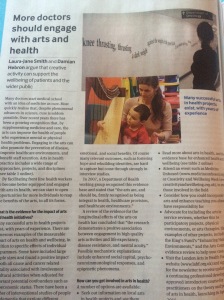
An article I co-wrote “More doctors should engage with arts in health” was recently published in BMJ careers. A longer version is below. Many healthcare professionals are interested in the arts, as part of their own wellbeing as well as their patients. It may not be clear how to align this interest with day to day work, and arts in health practice can therefore seem inaccessible to clinicians. We hope to bridge this gap with an introductory training event, the first of which will be on 30th June at the UCL Macmillan Cancer Centre, and has been approved for 3 RCP CPD points. Read more about it on the LAHF website, and book tickets via EventBrite.

IMG_3598

What is good health?

Doctors spend their professional lives trying to help their patients achieve good health. Although many start medical school with an idealised image of medicine as cure, most rapidly realise that despite phenomenal advances in science, cure is seldom possible. This is partly due to the nature of disease and the inevitable frailty of the human body, and partly due to the fact that none of us exist in a vacuum, and our potions and pills do nothing to change individual patients’ contexts or experience of illness. In fact ‘illness’ is almost impossible to define, as we medicalise more and more natural life processes and events. How can medicine address modern day phenomena of socioeconomic inequalities, lack of housing, poverty, loneliness, ageing, grief, disengagement from society, struggles with sexuality, or finding meaning in life? Should it?

Continue reading