Tag Archives: doctor

Hostile spaces

I had a stressful Wednesday. I was called to give evidence in person at an inquest, which was a surprise as my involvement in the patient’s care was peripheral. The court was tiny. We started very late, and had to wait for an hour in an unheated corridor between the door and the toilet.

All I could think about was every more useful thing I could be doing with this time. In my mind, my to do list is a pile of crisp bits of paper, each one with a task typed on it on an old fashioned typewriter, like the in-tray from a movie from the 1950s. This gets higher and higher, and then becomes an unruly mess, threatening to topple over and crush me. I had moved things around to be available all day, but could not move a webinar I was co-presenting in a 1 hour window at lunchtime. I asked to be released for this. After some discussion I was allowed to give my evidence first.

The Coroner’s court is supposed to be a fact-finding mission, rather than an adversarial or litiginous process, but this depends on whether there are lawyers present, and if so, what approach they choose. The questions were fair but challenging. It was a good experience, to have given evidence when I only played a minor part in the case. All healthcare professionals can expect to be involved in legal processes these days. We all find them very stressful.

Continue reading
Impatience

I was recently asked what my primary emotion is, and I answered, without hesitation: impatience. This is both a blessing and a curse. It drives me to work hard try to change the problems I see everywhere, every day, and makes me very productive. But it also makes me a bit of a nightmare to work and live with. I struggle to slow down and to accept the slow pace of change that is a common reality. I tell others to remember their sphere of influence and not to expend energy on things way outside it, as this way burnout lies. I often fail to take this advice myself. This week I have felt very impatient.

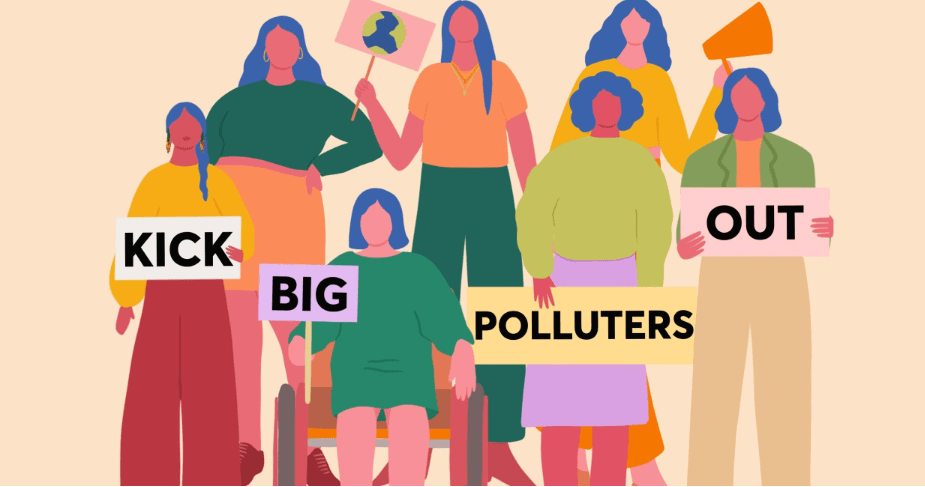
COP 29 is happening. At least 1,773 fossil fuel lobbyists have been granted access to the summit in Baku. In an open letter, a group of international experts have stated that the UN Climate talks are no longer fit for purpose, and called for reform. Global emissions continue to increase, carbon sinks are being degraded and we are headed for more than 2.9°C of warming by 2100. I respect those who continue to participate in COP but I would not have the patience or diplomacy required.

Continue reading

Healing wounds

My partner recently injured his hand on a faulty ladder. This took off an area of skin over a proximal finger joint resulting in a dramatic amount of bleeding and an inability to use the finger. Over the days and weeks since we have watched the healing process with fascination, noticing the stages of recovery of both form and function. Normal wound healing has four recognised stages: haemostasis, inflammation, proliferation, and remodelling. For a wound to heal successfully, the four phases must occur in the right sequence and time frame. Many factors can interfere with this process, risking impaired wound healing.

As we watched the re-epitheliation and remodelling of his physical wound it made me think about the unseen wounds many of us have suffered since the start of the pandemic, and the impaired wound healing we have been experiencing. So many people have been harmed not only by the virus itself but also by the lockdowns and the lack of a social safety net, eroded for decades by austerity. I see wounded people often in my work. They are incredibly adaptive and resilient but the body keeps the score, and many chronic diseases and distressing physical symptoms have their roots in emotional and social distress. I cannot speak for these people but I see them. I see their suffering and their strength.

Neither can I speak for all NHS staff, but is is well recognised that the pandemic traumatised healthcare workers. We experienced moral injury long before COVID-19, when we did not have the resources to provide the quality of care we wished to, were let down by a decimated social care system, or were forced to turn people in need away due to factors such as their immigration status. The pandemic brought us challenges that were all too familiar, but, more than that, it highlighted the pervasiveness, severity and proximity of this harm.

INDECISION
36” x 24” Acrylic paint on canvas, 2017. Cheyanne Silver.
From: www.luc.edu/features/stories/artsandculture/burnoutart/
Continue reading

At the margins

There is a great tradition of healthcare professionals working as volunteers, both at home and abroad, and this is highlighted and celebrated by the BMA Doctors as Volunteers competition. I entered a poster this year, and was very pleased to be chosen as one of the two winners. Euston foodbank, where I volunteer, will be putting the £850 prize money to good use, ensuring our foodbank is welcoming, and purchasing essential equipment and stock. 

Continue reading

Would I lie to you?

Most days at work pass in a blur of clinics, referrals, ward rounds, meetings, emails and phone calls. But work as a doctor is more than tasks. It requires a repeated, brutal confrontation with the realities of pain, suffering and illness; with humanity itself. At the end of the day I am sometimes left with emotions and questions that I can’t leave behind at the doors of the hospital. I have often felt poorly equipped to approach the grey areas of medicine that no textbook or Google search can answer. And so this year I signed up for an introductory course in Philosophy.

Last week our topic was moral philosophy which attempts to answer questions such as “how should I live?”, “what ought I to do?” We began with a discussion on whether it is ever right to lie.

Continue reading

What’s in a name?

At work recently I felt like a broken record. “What’s their name?” I said again and again with increasing frustration as I received calls about patients who were referred to as “bed 3,” “side room 1,” and “bed 9.”

Of course, at times it is convenient and even desirable to omit a patient’s name in a conversation. It was suggested on Twitter that it may be better to overhear what ‘bed 9’ needs rather than ‘John Doe is ready for his haemorrhoidectomy,’ and in this case I agree! My worry is that in most cases there is no explicit intent to maintain confidentiality. Instead the convenience of referring to people by their bed number slips into routine communication. I have certainly been guilty of this myself. I worry that this is not merely disrespectful, but that it contributes to the dehumanising experience of being a patient, and negatively impacts on the doctor-patient relationship.

Continue reading

A scarf, a suicide and a sense of perspective

I went out last night. It was cold, and just before I left the house I picked up my favourite scarf from the hat-stand. It’s my favourite for many reasons but predominantly because Miriam, who gave it to me, was wonderful.

Was.

She’s not here anymore. She died by suicide.

We were not best friends. We weren’t even really very close. She was my boyfriend’s best friend’s girlfriend. We would often be at the same social events, would sometimes have tea together over breakfast, and spent a lot of time together waiting around for ‘the boys’. Miriam was a medical student. One day, in the run up to end of year exams, she left the library where she had been studying, went home and killed herself.

Her death was a huge shock.

Continue reading

When the lights go out

Most people I know have never watched a person die. Even those that have been to funerals and therefore have seen and been in physical proximity to a body, have rarely been present at the moment of death. The moment when in the eyes of the dying person the lights go out.

I have been there, in the moment, a number of times and remember every time with eerie clarity. Sometimes I have known the patient well; other times I have only met them in their last minutes or seconds. Sometimes it has been almost ethereally peaceful. Other times it has been frantic, chaotic or distressing despite our best efforts to treat end of life symptoms. Most often it has just happened.

Continue reading

Life in my shoes

On a recent set of on call shifts I met James,* who my team treated for pulmonary emboli. He was a lovely man; visits to check he was on enough oxygen to maintain his saturations and to assess his haemodynamic status were a joy, due to his easy manner and good humour.

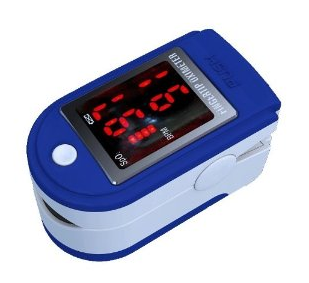
Pulse Oximeter, for monitoring oxygen saturations

One one occasion I was with my Consultant, who had known James for a while prior to this admission. At the end of the consultation he asked a very powerful question “is there anything else on your mind?” At this point I was closing the notes folder and putting my pen in my pocket, expecting to move on to the next patient. But James  did have something on his mind.

What I have not mentioned is that James is HIV positive. He has been living with HIV for many years and facing the challenges associated with this with resolve and good humour. His current problem was not directly related to his HIV status, but as is the usual practice whilst he was in hospital he was cared for by both the general medical team, and the “immune deficiency team” who were able to advise on potential interactions with his ARVs and give other specialist input.

Continue reading

How to die: CPR and the concept of futility

I recently cared for Ernest,* an 87 year old gentleman who spent around two weeks on my ward. Prior to admission his health was poor. He was bed-bound due to the late stages of a degenerative neurological disease, and had associated cognitive impairment. He had several other health complaints, and had been in hospital multiple times in the previous year with infections. He had always responded to antibiotics but his condition and level of interaction with the world had declined with each admission. On arrival to our ward I noticed that he did not have a DNAR order and, since he was not able to discuss his wishes, I looked to the family for information and to broach this subject. I was surprised to find that several vocal family members were adamantly against a DNAR. I had lengthy discussions explaining my reasons for believing that attempts at resuscitation would be futile and that setting limits of care was important to ensure we pursued quality, not just quantity of life. They listened, seemed to understand, and themselves identified his frailty, deterioration over the last year, and decline in his quality of life. However they strongly objected to us making him “not for attempted resuscitation.” As the end of the week approached I felt uncomfortable about the lack of a DNAR order, and about the possibility of this frail gentleman suffering a brutal and undignified exit to the world should his heart stop.

Continue reading